Academic Section(s):
Microbiology and Immunology
Education:
Ph.D. - 1973, University of Tennessee Center for the Health Sciences at Memphis
Clinical/Research Interests:
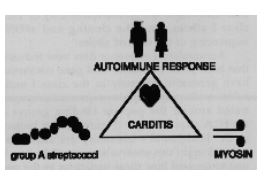
Dr. Cunningham's laboratory has been highly focused on the investigation of molecular mimicry, autoimmunity and infection in inflammatory heart disease for the past 20 years.
The models of autoimmunity and infection that we have chosen to investigate include rheumatic carditis, a sequela of group A streptococcal pharyngitis, and myocarditis, a complication that can follow coxsackieviral infections. Rheumatic carditis affects the heart valves, while myocarditis results in the destruction of the myocardium.
In both diseases molecular mimicry may be an important mechanism by which infections lead to presentation of crossreactive antigens and breakdown of self tolerance. In rheumatic carditis, the autoimmune mechanisms are due to molecular mimicry between group A streptococcal antigens and cardiac myosin.
Our goal has been to study the molecular and immunological basis of antibody and T cell crossreactivity between group A streptococcal M protein and myosin, and to study the role of these immune crossreactivity mechanisms in the pathogenesis of rheumatic heart disease and myocarditis.
Heart crossreactive monoclonal antibodies and T cells have identified the streptococcal M protein, cardiac myosin and coxsackieviral capsid proteins as antigens that participate in molecular mimicry in rheumatic fever as well as inflammatory heart disease. Under investigation are the following: human mAbs from acute rheumatic fever patients, nucleotide sequences of mAb VH and VL regions genes from disease, cytotoxic monoclonal antibodies which react with extracellular matrix of heart or endothelial cells, mimicry between the group A carbohydrate N-acetyl-glucosamine and peptides, and crossreactive T cell clones.
We have indentified pathogenic epitopes of steptococcal M protein and cardiac myosin in animal models of heart disease and have identified epitopes recognized in human diseases such as rheumatic carditis, myocarditis, diabetic cardiomyopathy and Kawasaki syndrome.
We have a strong interest in peptide therapeutics to prevent disease, and our work has identified epitopes which are detrimental to M protein vaccines. Production of transgenic mice expressing human immunoglobulin VH and VL genes as well as other immune system related genes for development of transgenic models of autoimmune heart disease is in progress.
A second focus of the laboratory is on the study of autoimmunity and behavior which is manifest in diseases such as Sydenham's chorea following group A streptococcal infection. Our study identified antibody mediated neuronal cell signaling as the basis for the choreic movement disorder. Other related movement and psychiatric disorders such as obsessive compulsive disorder, Tourette's Syndrome and Tics are under investigation for subsets that may be related to streptococcal infection and/or to autoantibodies which signal in the brain.
Select Honors and Accomplishments:
Presbyterian Health Foundation Presidential Professor
Director and Principal Investigator, NIAID Immunology Training Grant